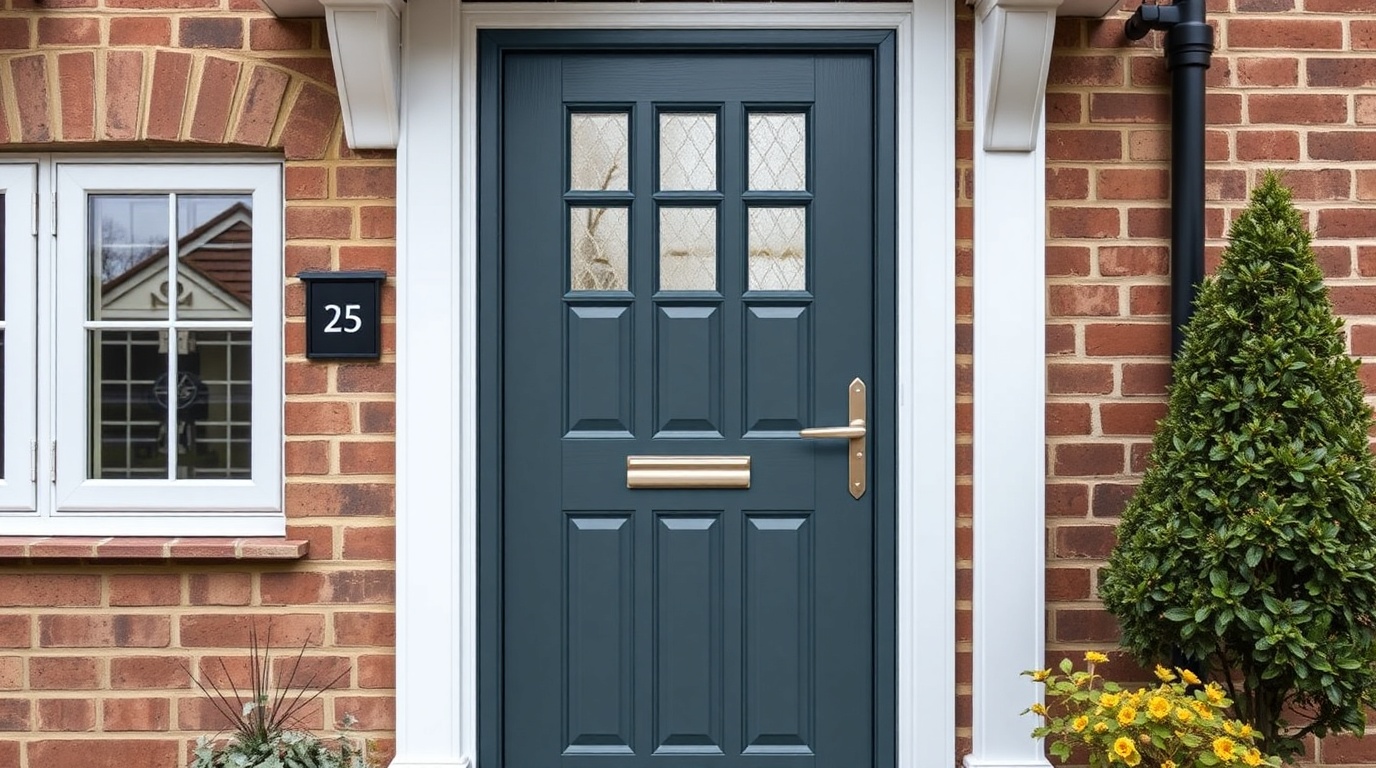
The short answer
Replacing a front door with composite is usually worth it when the existing door is draughty, insecure, rotten, warped, or beyond economical repair, or when you want better insulation, security and a low-maintenance finish. Composite doors typically cost more upfront than uPVC but commonly last around twenty to thirty years with little maintenance, so the cost is spread over a long life. If your current door only needs a new lock, a seal or an adjustment, repair is often the cheaper sensible option. The decision comes down to the door's condition, your security and energy concerns, and how long you plan to stay.
A front door is worth replacing when repair no longer makes sense or when security, insulation and maintenance push you toward an upgrade; composite is one of the stronger long-term choices.
Quick reference
- Typical composite lifespan~20–30 years
- Replace ifRotten, warped, insecure, draughty
- Repair ifJust lock, seal or adjustment needed
- Key driversSecurity, insulation, maintenance
Signs a front door is due for replacement
Several signs suggest a front door has reached the end of its useful life rather than just needing a quick fix. The table groups common symptoms and what they usually point to.
Persistent draughts, water ingress, sticking or dropping, visible rot or warping, and a lock that no longer secures reliably all point toward replacement, especially if more than one is present. A door that is structurally sound but cosmetically tired, or that simply needs a new lock or seal, is usually a repair rather than a replacement. Weighing the symptoms helps you decide whether spending on a new door is justified or premature.
| Symptom | Likely meaning | Typical action |
|---|---|---|
| Draughts / water ingress | Failed seals or warped door | Repair seal or replace |
| Rot, warping, swelling | Material breakdown (often timber) | Replace |
| Sticking / dropping | Hinges or frame movement | Adjust or replace |
| Insecure / faulty lock | Worn or outdated locking | New lock or replace |
| Tired but sound | Cosmetic only | Repair / refinish |
General guidance; a tradesperson can confirm whether repair or replacement is sensible.
When repair makes more sense
Replacement is not always the right call. A front door in sound condition often only needs a targeted repair, which is far cheaper than a new door:
- A new or upgraded lock if security is the only concern, which can modernise an otherwise good door.
- New seals or weatherstripping to cure draughts and minor water ingress.
- Hinge adjustment or realignment if the door sticks or has dropped slightly.
- Refinishing a timber door that is structurally fine but looks tired.
If the door is uPVC or composite and only a few years old, a fault is more likely a repair than a write-off. Replacing a sound door purely for appearance is a choice rather than a necessity, so it is worth getting a tradesperson's view on whether a repair would resolve the issue at a fraction of the cost.
Why choose composite when you do replace
When replacement is justified, composite is one of the stronger long-term choices for a front door. Its solid, multi-layer construction resists warping, swelling and weathering better than timber, and feels more substantial than uPVC. A quality multipoint lock and a heavy slab improve security, which matters most at the main entrance. The insulated core helps reduce draughts and heat loss compared with an old, leaky door, and the factory-applied colour means no repainting.
Composite typically costs more upfront than uPVC but less than timber, and its long life and low maintenance spread that cost over decades. For a homeowner planning to stay, that combination of durability, security and minimal upkeep often justifies the higher price. For a quick sale, a smart composite door can improve kerb appeal and the first impression, though it is best seen as an improvement to appearance and security rather than a guaranteed financial return.
Weighing the cost against the benefit
The decision ultimately balances the door's condition, your priorities and your timescale. If the door is rotten, warped, persistently draughty or no longer secure, replacement is usually worth it, and composite offers durability, security and low maintenance over a long life. If the door is structurally sound and only needs a lock, a seal or an adjustment, repair is the more economical choice.
Factor in how long you will stay: over many years, a composite door's longevity and lack of repainting offset its higher upfront cost, whereas if you are moving soon, a simpler repair or a cheaper door may make more sense. When you do replace, decide the specification first, get fitted quotes for that exact door so they compare like for like, and check the warranty and that the installer is registered with FENSA or an equivalent scheme so the glazing is self-certified. Replacement external doors must meet current thermal and safety standards, which a new composite door and a registered installer will satisfy. Judged on condition and long-term value rather than appearance alone, replacing a failing front door with composite is worthwhile for most homeowners staying in their home.
Frequently asked questions
How do I know if my front door needs replacing or just repairing?
If it is rotten, warped, persistently draughty or no longer secure, replacement is usually justified. If it is structurally sound and only needs a new lock, seal or adjustment, repair is cheaper. A tradesperson can confirm which makes sense.
How long does a composite front door last?
A good-quality composite door commonly lasts around twenty to thirty years or more with minimal maintenance. Its solid core resists warping and the skin holds its colour, though hinges, seals and locks may need attention over time.
Does a new front door need to meet building regulations?
Yes. Replacement external doors must meet current thermal and safety glazing standards. An installer registered with FENSA or a similar scheme can self-certify this, avoiding a separate building control application.
Sources & further reading
- HomeOwners Alliance — front doors guide
- Checkatrade — composite doors buying guide
- FENSA — replacement window and door rules
Figures on this page are typical UK ranges drawn from published sources and depend on your specific door and opening. They are guidance, not a quotation.