The short answer
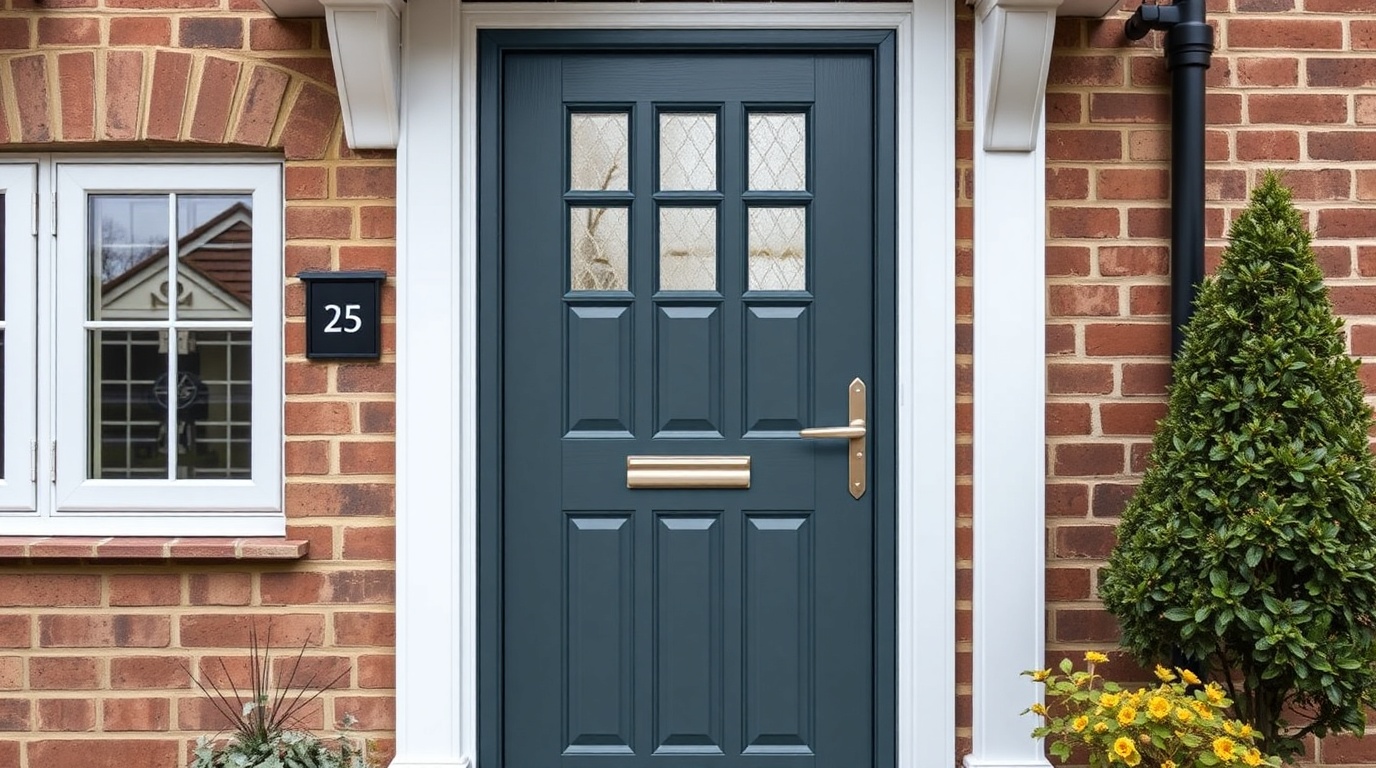
A composite door offers the look of timber with much lower maintenance, because its glass-reinforced plastic skin does not need regular painting, sanding or sealing, while a solid wooden door gives genuine grain and a traditional feel but needs upkeep to stay weatherproof. Composite doors resist warping, swelling and fading better than timber and usually insulate well thanks to their solid core. A real wood door can be repaired, re-stained and adjusted over decades, and suits period or conservation-area homes where authenticity matters. For most modern UK homes wanting a low-upkeep front door, composite is the practical choice; for character properties valuing genuine timber, a quality wooden door remains worthwhile.
The choice often comes down to authenticity versus upkeep: real timber looks and feels genuine but needs care, while composite mimics it with far less maintenance.
Quick reference
- Composite finishGRP wood-grain skin
- Timber finishGenuine wood grain
- Composite upkeepMinimal
- Timber upkeepRegular painting/sealing
- CostBespoke timber often higher
Composite and timber compared
The table sets out the main practical differences between a composite and a solid wooden front door, with indicative UK 2026 supplied-and-fitted price ranges for a standard single door. Both can look like wood and both can be highly secure, but they behave very differently over years of British weather and they demand very different levels of care.
A composite door uses a solid core with a moulded GRP skin printed and textured to resemble timber. A wooden door is made from solid hardwood or engineered timber, finished with paint or stain. The timber option is the more traditional and repairable, while composite trades some authenticity for stability and low maintenance.
| Feature | Composite | Timber (wood) |
|---|---|---|
| Material | Solid core, GRP skin | Solid or engineered wood |
| Maintenance | Minimal, occasional clean | Regular paint/stain/seal |
| Weather stability | Resists warp and swell | Can swell, shrink, warp |
| Insulation | Generally good | Good, varies with build |
| Repairability | Limited if skin damaged | Sandable, re-finishable |
| Fitted price | £900–£2,000+ | £1,200–£3,000+ bespoke |
Indicative UK 2026 figures; bespoke joinery and hardwood raise timber costs.
Appearance and authenticity
For a genuine grain, real depth and the tactile quality of natural wood, nothing fully replaces solid timber. A wooden door can be stained to show its grain or painted any colour, and it suits period, listed or conservation-area homes where authenticity is expected or required.
Modern composite doors have come a long way, with moulded skins that copy timber grain convincingly and a broad colour palette. From a few steps back, many composite doors are hard to tell from painted wood. Up close, the difference is more apparent, so the decision depends on how much genuine material matters to you and the style of the property.
Maintenance and weather performance
This is where the two diverge most. A timber door needs ongoing care: repainting or re-staining every few years, occasional sanding, and attention to seals, especially on a south or west-facing elevation that takes the brunt of sun and rain. Neglected timber can swell, stick, crack or let in water over time.
A composite door is built to resist these problems. Its GRP skin does not need painting, and the solid core resists warping and swelling, so an occasional wipe-down keeps it looking good. The trade-off is repairability: a deep scratch or impact damage to a composite skin is harder to fix invisibly than a timber door, which can be sanded and refinished. Both insulate well, though a composite's consistent insulated core gives reliable thermal performance.
Cost, lifespan and which to choose
A standard composite door is often more affordable than a bespoke hardwood door, though entry-level softwood timber doors can be cheaper than composite. The real cost difference appears with quality: a well-made hardwood door with good joinery sits at the upper end, while composite offers a consistent mid-range price for a low-maintenance result.
On lifespan, a well-maintained timber door can last many decades and be repaired indefinitely, but only with regular care. A composite door typically lasts around 30 years or more with little upkeep. For most modern UK homes wanting a smart front door without ongoing work, composite is the practical pick. For period and character properties where genuine wood is part of the appeal, or where planning requires it, a quality timber door is the right choice.
Frequently asked questions
Do composite doors look like real wood?
Modern composite doors use moulded grain-textured skins that copy timber convincingly from a short distance. Up close the difference is more visible, but for most homeowners the look is close enough to genuine painted or stained wood.
Which lasts longer, composite or timber?
A composite door typically lasts around 30 years or more with minimal upkeep, while a well-maintained timber door can last many decades and be repaired indefinitely. The key difference is that timber needs regular care to reach that lifespan, whereas composite does not.
Can I use a composite door in a conservation area?
Not always. Conservation areas and listed buildings often require traditional timber doors, and composite may not be permitted. Check with your local planning authority before choosing, as rules vary by area and property.
Sources & further reading
- HomeOwners Alliance — front doors guide
- Which? — buying a new front door
- Checkatrade — composite door cost guide
Figures on this page are typical UK ranges drawn from published sources and depend on your specific door and opening. They are guidance, not a quotation.