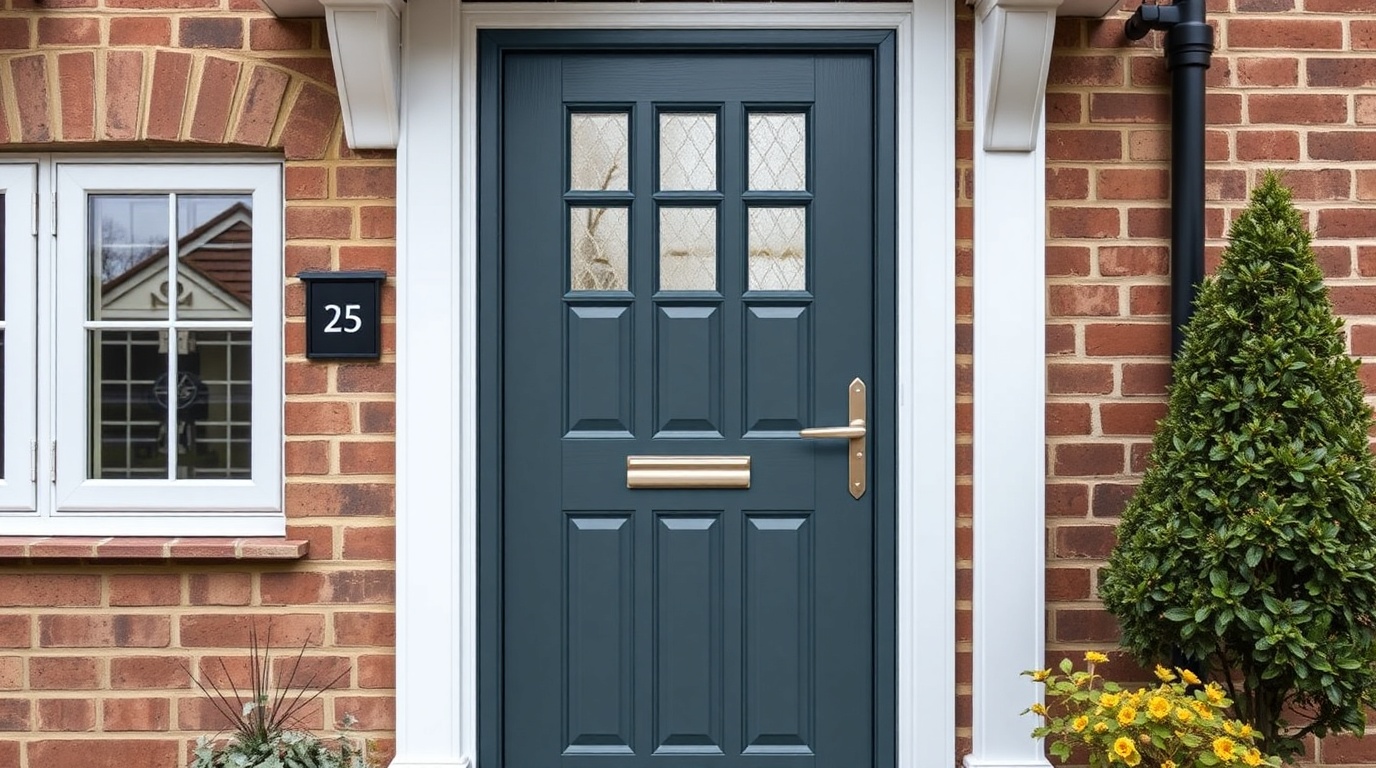
The short answer
A composite door suits homeowners wanting a traditional, warm, well-insulated front door with wood-grain looks, while an aluminium door suits a sleek, modern, slim-framed contemporary style with maximum glazing and high strength. Composite doors use a solid insulated core and GRP skin, giving good thermal performance and a substantial feel at a moderate price. Aluminium doors use a thermally broken metal frame that is very strong, slim and durable, allowing large glass areas, but they cost more and can feel less warm unless the thermal break is good. Both are low maintenance. The choice is largely about appearance and budget: composite for classic warmth, aluminium for modern minimalism.
These two materials appeal to different tastes: composite leans traditional and cosy, aluminium leans modern and architectural.
Quick reference
- Composite styleTraditional, wood-grain
- Aluminium styleModern, slim-framed
- Composite insulationGood, solid core
- Aluminium frameThermally broken metal
- CostAluminium usually higher
Composite and aluminium compared
The table sets out the main practical differences between a composite and an aluminium front door, with indicative UK 2026 supplied-and-fitted price ranges for a standard single door. Both are durable, low-maintenance and secure, but they target different looks and budgets. Composite is the warmer, more traditional choice; aluminium is the sleek, contemporary one.
A composite door pairs a solid insulated core with a tough GRP outer skin, often moulded to resemble timber. An aluminium door uses a powder-coated metal frame with a thermal break separating the inner and outer faces to limit heat loss, allowing slim sightlines and large glazed panels.
| Feature | Composite | Aluminium |
|---|---|---|
| Frame look | Solid, traditional | Slim, modern |
| Core/structure | Solid insulated core | Thermally broken metal |
| Insulation | Good | Good with quality thermal break |
| Strength | High | Very high |
| Glazing area | Moderate panels | Can be large |
| Fitted price | £900–£2,000+ | £1,500–£3,500+ |
Indicative UK 2026 figures; glazing area and finish affect the range.
Style and appearance
Appearance is usually the deciding factor. Composite doors are designed to look like painted or stained timber, with moulded grain and a wide colour range, making them a natural fit for traditional and period-style homes, as well as many modern ones.
Aluminium doors have a distinctive contemporary look: slim frames, crisp lines and the ability to support large glazed areas. Powder-coated finishes come in many RAL colours and stay looking sharp for years. For a minimalist, architect-style entrance, aluminium often suits better; for a classic, homely front door, composite tends to win on character.
Strength, insulation and maintenance
Both materials are strong and secure when fitted with quality multipoint locks and anti-snap cylinders. Aluminium is exceptionally rigid and resists denting and impact well, while a composite door's solid core gives it a robust, weighty feel. Either can be specified to the Secured by Design standard recognised by UK police.
On insulation, composite doors perform reliably thanks to their solid insulated core. Aluminium conducts heat, so its thermal performance depends on the quality of the thermal break built into the frame; a good polyamide break brings modern aluminium doors up to a competitive level. Both are very low maintenance, needing only an occasional clean, with no painting required, and both resist warping, fading and corrosion in normal UK conditions.
Cost and which to choose
Aluminium doors typically cost more than composite doors, reflecting the metal frame, thermal break engineering and the slim, glazing-heavy designs they enable. Composite sits in a moderate price band that many homeowners find good value for a solid, insulated, low-maintenance front door.
Choose composite if you want a traditional, warm-looking, well-insulated door at a moderate price, particularly for period or conventional homes. Choose aluminium if you want a sleek, modern entrance with slim frames and large glazed areas, and the budget allows the higher cost. Both will last for decades with little upkeep, so the decision is led mainly by the look you want and what you are prepared to spend.
Frequently asked questions
Is an aluminium door better insulated than a composite?
Not necessarily. A composite door's solid insulated core gives reliable thermal performance, while an aluminium door depends on the quality of its thermal break. A well-engineered aluminium door competes closely, but a cheap one with a poor thermal break can lose more heat.
Are aluminium doors more secure than composite?
Both can be very secure when fitted with high-security multipoint locks and anti-snap cylinders, and both are available as Secured by Design certified products. Aluminium is extremely rigid, but a composite door's solid core is also strong, so lock specification matters most.
Why do aluminium doors cost more than composite?
Aluminium doors use a powder-coated metal frame with engineered thermal breaks and often support large glazed areas with slim sightlines, all of which add cost. Composite doors use a solid core and GRP skin and sit in a more moderate price band.
Sources & further reading
- HomeOwners Alliance — front doors guide
- Checkatrade — composite door cost guide
- Which? — buying a new front door
Figures on this page are typical UK ranges drawn from published sources and depend on your specific door and opening. They are guidance, not a quotation.