The short answer
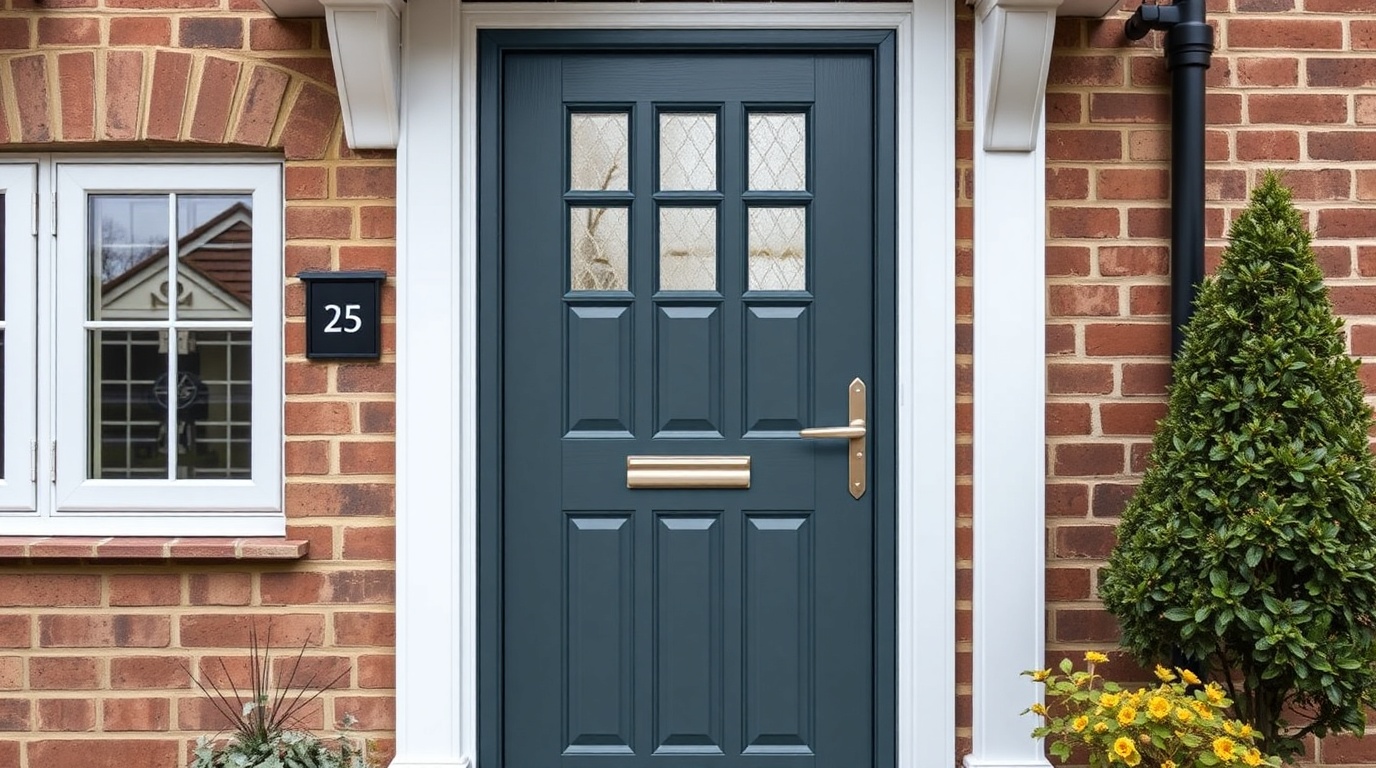
Composite doors come in a wide range of colours, including classic blues, greens, greys, reds, black, white and cream, plus realistic wood-grain effects like oak and walnut, with many brands offering dual-colour options so the inside and outside differ. Popular UK choices include Chartwell Green, anthracite grey, navy or French blue, racing green, black and various wood-grain tones. The colour is moulded into or onto the GRP or ABS skin rather than painted on, so it resists fading and needs no repainting. Some ranges allow bespoke or RAL-matched colours. Dual-colour doors let you have a bold exterior with a neutral interior to suit your hallway.
Colour is one of the most enjoyable choices in a composite door, and the range is broad enough to suit most homes.
Popular colours
- GreensChartwell, racing green
- GreysAnthracite, slate
- BluesNavy, French blue
- NeutralsBlack, white, cream
- Wood-grainOak, walnut, rosewood
The colour range
Composite doors are available in an extensive palette, which is one of their attractions over plain timber or basic uPVC. The exact range depends on the brand, but most offer a core set of popular colours alongside wood-grain effects and, in some cases, bespoke or RAL-matched shades. The table groups the common families to help you picture the choice.
Because the colour is built into the GRP or ABS skin during manufacture rather than painted on afterwards, it is consistent and durable. This is why composite doors do not need repainting and why bold colours stay looking fresh for years with only an occasional clean.
| Colour family | Common examples | Suits |
|---|---|---|
| Greens | Chartwell Green, racing green | Period and country homes |
| Greys | Anthracite, slate, dark grey | Modern and contemporary homes |
| Blues | Navy, French blue, duck egg | Traditional and coastal styles |
| Reds | Rosso, classic red | Bold traditional doors |
| Neutrals | Black, white, cream | Most properties, versatile |
| Wood-grain | Oak, walnut, rosewood | Timber-effect look |
Indicative families; exact shades and names vary by brand.
Dual-colour and wood-grain finishes
Many ranges offer dual-colour doors, where the outside and inside are finished in different colours. This lets you choose a bold or dark exterior, anthracite grey or navy, for example, while keeping the inside white or cream to suit a neutral hallway. It is a popular way to make a statement outside without committing to the same strong colour indoors.
Wood-grain finishes deserve a mention of their own. As well as painted-style solid colours, composite doors come in timber-effect shades such as oak, walnut, golden oak and rosewood, with a moulded grain texture that mimics stained wood. These suit homeowners who want the warmth of timber with the low maintenance of composite. Some doors combine a wood-grain effect on one face with a smooth colour on the other.
How colour wears and bespoke options
A key advantage of composite-door colour is durability. Because the finish is part of the skin, it resists fading, peeling and chipping far better than painted timber. Quality skins, both GRP and the colour-stable ABS used by some brands, hold their colour through years of UV exposure, and manufacturers typically guarantee against significant fading. An occasional wash keeps the colour looking its best.
If a standard colour does not match your needs, some ranges offer bespoke or RAL-matched options, letting you specify a precise shade to coordinate with windows, render or a colour scheme. These bespoke choices can add to the cost and lead time, so confirm both when ordering. For conservation areas, check any local colour or material restrictions before committing, as rules can limit the options.
Frequently asked questions
Do composite door colours fade over time?
Quality composite door skins resist fading well because the colour is built into the skin rather than painted on. Manufacturers typically guarantee against significant fading, and an occasional clean keeps the colour fresh. Colour-stable ABS skins are particularly noted for holding bold shades.
Can I have a different colour inside and outside?
Yes, many composite door ranges offer dual-colour options, letting you choose a bold or dark exterior with a neutral white or cream interior to suit your hallway. This is a popular way to make a statement outside without the same strong colour indoors.
Can I get a composite door in a custom colour?
Some ranges offer bespoke or RAL-matched colours so you can specify a precise shade to coordinate with windows or render. Custom colours can add cost and lead time, and conservation areas may restrict the options, so check both before ordering.
Sources & further reading
- HomeOwners Alliance — front doors guide
- Which? — buying a new front door
- Checkatrade — composite door cost guide
Figures on this page are typical UK ranges drawn from published sources and depend on your specific door and opening. They are guidance, not a quotation.